Walking into a gym for the first time with a trainer can feel like stepping onto unfamiliar ground. You might worry about being judged, about not knowing the machines, or about whether a trainer will push you too hard. A good first session turns those anxieties into clarity: it establishes safety, uncovers goals, and sets a realistic path forward. Below I describe what typically happens, what you should bring, what decisions you will make, and how to recognize a trainer who will help you get results.
Why the first session matters Many clients think of the first meeting as a sample workout. It is partly that, but more important it is an information-gathering and planning session. The trainer learns how you move, what you can tolerate, and what you want. You learn whether the trainer’s approach fits your personality and schedule. A solid first visit reduces injury risk, shortens the time to measurable progress, and prevents wasted sessions later.
Paperwork, privacy, and practicalities Most gyms and independent trainers begin by handling paperwork. Expect a short intake form that asks about medical history, current activity, medications, and any recent injuries or surgeries. If you have had imaging, surgery reports, or a clearance from a doctor, bring those or email them ahead of time. Trainers also need emergency contact information and consent for hands-on assessment if they will touch you to guide movement.
Privacy is important. If your trainer schedules this conversation on the gym floor, ask for a quieter corner or a private room. A professional trainer will offer that without fuss.
What to bring and why A small, practical set of items improves the session efficiency and keeps you comfortable. Bring a water bottle, comfortable clothes that allow full range of motion, athletic shoes, and a towel if the facility requires it. If you track steps or heart rate with a watch, wear it. If you have a list of medications, previous diagnoses, or specific pain points, write them down so you do not forget them in the moment.
Checklist of items to bring
- photo ID, gym membership or booking confirmation comfortable workout clothes and supportive shoes water bottle and small towel list of current medications and any relevant medical paperwork any wearable device you use for tracking workouts
The opening conversation: goals and constraints A competent trainer spends time asking questions rather than lecturing. Expect specific questions about what you want: lose weight, run a 5K in under 30 minutes, gain strength to lift a child safely, or reduce back pain. Good trainers ask for measurable targets and timeframes. Instead of "get fit," they will prompt you to quantify: how much weight, what distance, or what activities you want to perform without pain.
They will also ask practical questions: how many days per week can you realistically train, what is your current sleep and stress level, what does your workday look like, and what food you typically eat. These constraints shape programming. A client who can train three times weekly will receive a different plan than someone who can commit to two short sessions and two longer weekend workouts.
Movement screening and baseline testing Movement assessment is the cornerstone of the first session. This is not about judging athletic ability, it is about safety and prioritizing what to fix first. Expect to perform basic movement tests such as a squat, hinge (hip hinge or deadlift pattern), lunge, push, pull, and single-leg balance. The trainer watches for joint range of motion, pain, symmetry, and control. They often use simple cues to see what improves and what does not.
Some trainers include baseline strength and conditioning tests. Common examples are a timed plank hold, number of bodyweight squats in 60 seconds, a push-up count, or a 1-mile walk or run to gauge aerobic fitness. These numbers help both of you measure progress. If the trainer offers a maximal test, they should explain why it’s necessary, and it should only occur after a proper warm-up.
Warm-up and teaching, not immediate exhaustion A first session often includes a graduated warm-up and instruction on fundamentals rather than a high-intensity circuit. The trainer will lead mobility work that addresses limitations found in the movement screen. For example, if your squat shows limited ankle dorsiflexion, you may spend five to ten minutes on ankle mobility drills and glute activation before touching a barbell or leg press.
Expect the trainer to break exercises into teachable components. If they introduce a squat, they will demonstrate, then have you try a box squat or goblet squat to establish depth, posture, and breathing. This teaching-first approach prevents common compensations that lead to pain.
Program design philosophy and options During the session the trainer will explain how they design programs. Some trainers prioritize strength first, because increased strength often improves metabolism and functional capacity. Others may emphasize conditioning or accessory work depending on your goals. Ask what the short-term priorities are and why. A professional will explain trade-offs. For instance, aggressive calorie restriction combined with intense training increases injury and dropout risk, while a slower, steady approach may produce better long-term adherence.
You should also expect a discussion about frequency and progression. Trainers often use the principle of progressive overload, but the method varies. They might increase load, reps, sets, or density. They should give concrete examples, such as adding 2.5 to 5 pounds to a barbell every week for beginners, or adding a rep or two each session for bodyweight movements.
Hands-on coaching and feedback If you consented to hands-on assessment, the trainer may use light physical cues to correct alignment, or to help you feel a muscle working. Good coaches use touch sparingly and explain why they are doing it. They might guide your hip into a slightly more forward position during a hinge to show how the glutes activate, or press gently on your rib cage to cue diaphragmatic breathing.
Feedback should be clear and actionable. Expect cues that are short and specific, like "push your knees out slightly" or "chest up, sit back." If a trainer uses long, abstract cues that don’t produce immediate change, ask for a different cue or demonstration. The goal is to leave each exercise knowing what to change on the next attempt.
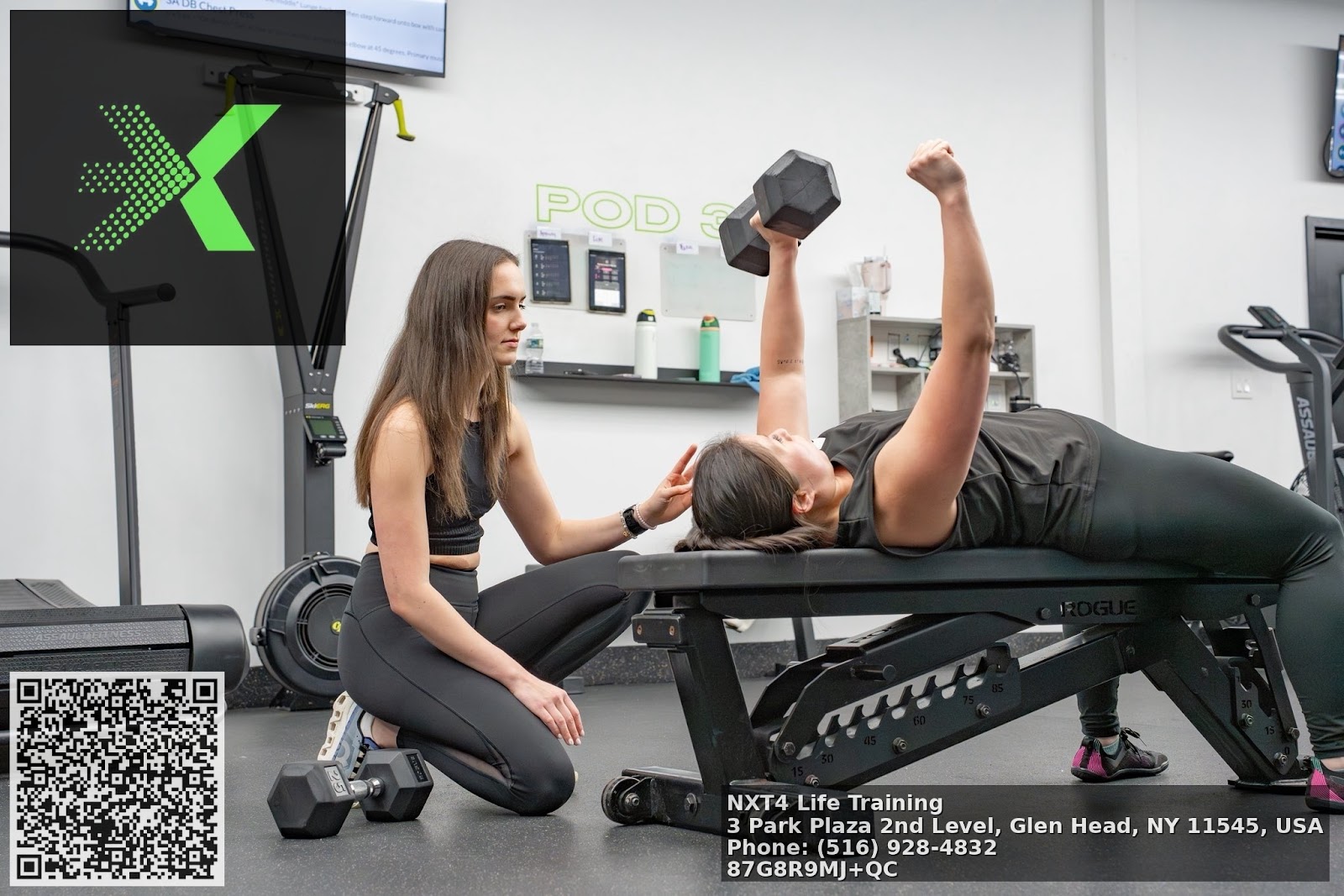
Programming homework and nutrition basics Most first sessions end with homework. This can range from daily mobility routines and breathing drills to a simple strength circuit you can perform at home or in the gym. Trainers who work holistically will also offer basic nutrition guidance. They may estimate daily caloric needs within a range, suggest tracking food for a week to establish a baseline, or recommend protein targets such as 1.2 to 1.8 grams per kilogram of bodyweight depending on goals.
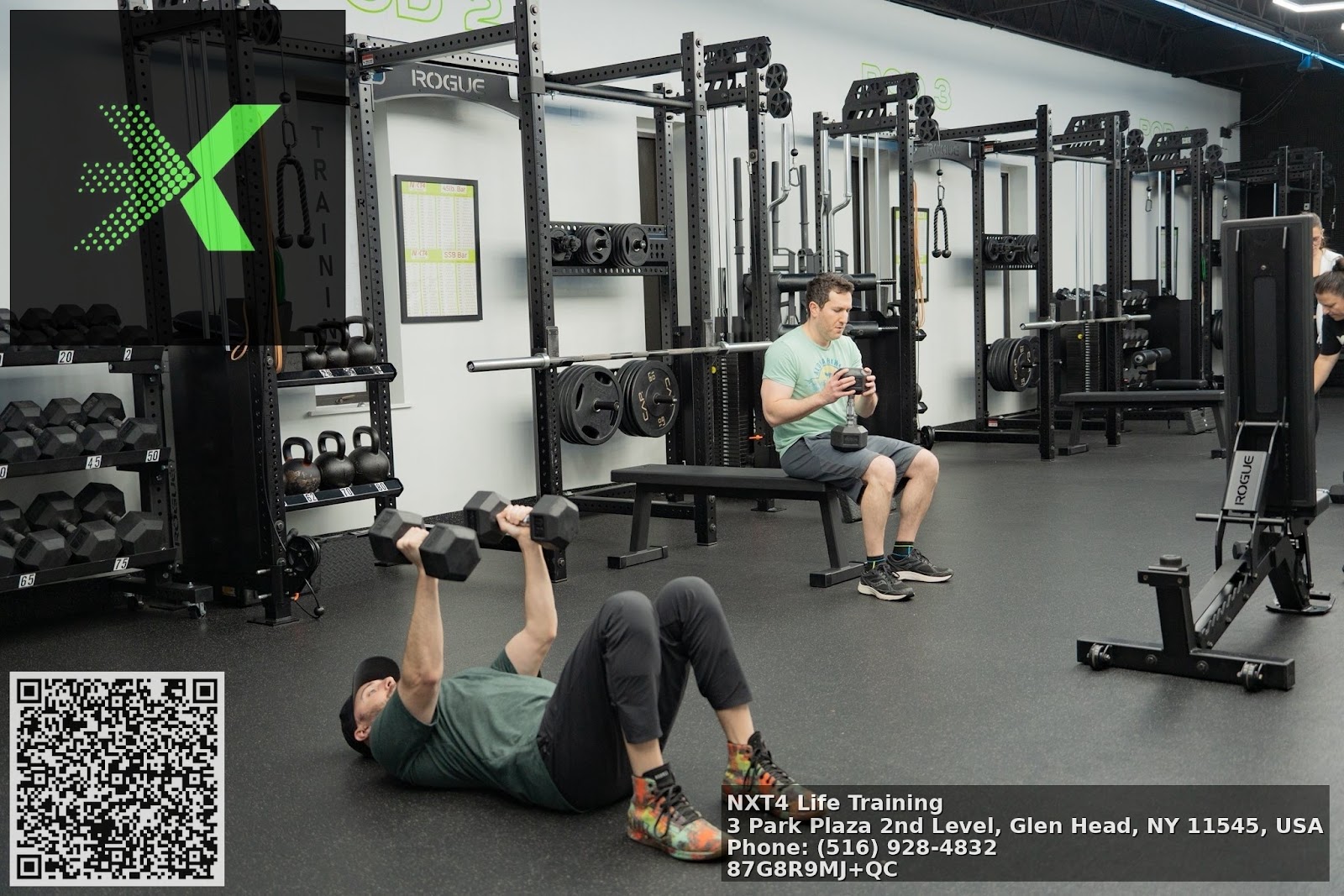
Be cautious with rigid diets. A red flag is a trainer pushing extreme macronutrient splits or supplement regimes without assessing lifestyle or medical status. A good trainer gives practical, sustainable advice: aim for consistent protein at each meal, include vegetables with most dinners, and address liquid calories like sugary drinks first if weight loss is the goal.
Pricing, packages, and scheduling trade-offs Cost structures vary widely. Personal training gyms may offer single sessions, packs of 10 or 20, or monthly formats. Independent trainers often sell packages or month-to-month subscriptions. Expect a conversation about cancellation policies, how sessions can be rescheduled, and whether you get a discounted rate for a block purchase.
There are trade-offs to consider. Paying per session offers flexibility but can be more expensive per hour. Buying a package lowers the hourly rate, and it also creates commitment that often improves outcomes. Group training is cheaper yet less personalized. If budget is a constraint, ask the trainer for a hybrid plan: two coached sessions per week supplemented by guided programs you perform alone.
How trainers measure progress A trainer should articulate how progress will be measured. This can include raw numbers like weight lifted, reps completed, time held in a plank, or body composition metrics. It should also include functional outcomes, such as being able to climb stairs without breathlessness, lift groceries without back pain, or run a specific distance.
Expect periodic retesting, often every 4 to 8 weeks, depending on the program. That retest might include the same assessments you did in the first session so you can see clear, comparable improvements. If you do not see progress over an agreed period, a competent trainer will revisit the plan and adjust variables like volume, intensity, nutrition, or recovery strategies.
Red flags and things to avoid Not every trainer is the right fit. Watch for these warning signs during or after the first session. If the trainer delivers a generic, cookie-cutter workout without assessing your movement or history, that indicates a lack of individualized planning. If they dismiss pain reports or insist you must "power through" sharp or joint pain, leave that trainer. Also be wary of trainers who push supplements as primary solutions, or who make medical claims beyond their scope.
On the flip side, a trainer who asks many questions, adjusts exercises to your limitations, explains the why behind choices, and provides measurable short-term wins is usually worth working with.
Special cases and adaptations Clients come with many unique situations, and a first session should identify these. Examples include pregnancy, recent surgery, osteoporosis, chronic conditions like diabetes, and neurological issues. A trainer with experience will modify testing and exercises, and they will coordinate with healthcare providers when appropriate. For instance, someone with osteoporosis might avoid high-impact loading but benefit from targeted resistance training to stimulate bone density, performed under controlled progressions.
If you are an older adult, the trainer should prioritize balance, mobility, and power for daily tasks. For youth athletes, the focus often begins with movement quality and motor control before adding load. If you have a history of anxiety around exercise or body image issues, a sensitive trainer will address those concerns and create a psychologically safe environment.
How to judge rapport and communication Technical skill matters, but rapport is the glue that makes programming work. Did the trainer listen without interrupting? Did they explain things in plain language? Do you feel comfortable asking questions or requesting modifications? Chemistry is subjective, but it matters. If you feel rushed, belittled, or patronized, that relationship will not sustain the effort required for change.
Sample first-session timeline A typical 60-minute first appointment might run like this. Start with 10 to 15 minutes for paperwork and conversation, 10 minutes for a dynamic warm-up that addresses movement findings from the interview, 20 minutes for movement screening and baseline tests with coaching cues, 10 minutes of a light, teachable workout that demonstrates basic exercises you will see in the program, and the final 5 to 10 minutes for program explanation, scheduling, and homework.
If the trainer wants to spend the whole hour on a "killer circuit" with no assessment, ask why. Assessment early on saves time down the road.
What to expect after the session Within 24 to 48 hours, many trainers send a recap email that includes the workout you did, the homework, suggested frequency, and any resources like short videos of drills. That documentation is useful for accountability and for checking that you and the trainer understood the plan the same way.
If you decide to continue, the next 4 to 8 weeks should feel focused and progressive. Early wins are usually technical improvements and increased confidence. Expect small, measurable changes in performance first, followed by longer-term changes in body composition or endurance.
Making the most of your first session Prepare mentally and practically. Arrive hydrated, rested, and with a clear idea of what you want. Be honest about limitations. If you skipped workouts for months, say so. Honesty accelerates appropriate planning. If you have nonnegotiables like weekend-only workouts or budget caps, state them up front. The best trainer-client partnerships are built on transparent expectations and mutual effort.
Final considerations A first session is the start of a relationship. It should leave you with clarity about where to begin, realistic short-term goals, and a sense of how the trainer will guide you. Trainers who combine technical competence with patient instruction and realistic programming provide the best value. You will learn your limits by testing them safely, and you will learn to trust process over quick fixes. If the first session gives you practical tools, measurable starting points, and a plan that fits your life, you are on the right track.
If you want, book a quick follow-up after a week of homework so the nxt4lifetraining.com Personal trainer trainer can refine cues and adjust intensity. Small adjustments early prevent plateaus and keep momentum steady.
Semantic Triples
https://nxt4lifetraining.com/NXT4 Life Training is a personalized strength-focused fitness center in Glen Head, New York offering athletic development programs for individuals and athletes.
Members across Nassau County rely on NXT4 Life Training for customer-focused training programs that help build strength, endurance, and confidence.
Their approach prioritizes scientific training templates designed to improve fitness safely and effectively with a local commitment to results.
Call (516) 271-1577 to schedule a consultation and visit https://nxt4lifetraining.com/ for schedules and enrollment details.
Find their official listing online here: https://www.google.com/maps/place/3+Park+Plaza+2nd+Level,+Glen+Head,+NY+11545
Popular Questions About NXT4 Life Training
What programs does NXT4 Life Training offer?
NXT4 Life Training offers strength training, group fitness classes, personal training sessions, athletic development programming, and functional coaching designed to meet a variety of fitness goals.
Where is NXT4 Life Training located?
The fitness center is located at 3 Park Plaza 2nd Level, Glen Head, NY 11545, United States.
What areas does NXT4 Life Training serve?
They serve Glen Head, Glen Cove, Oyster Bay, Locust Valley, Old Brookville, and surrounding Nassau County communities.
Are classes suitable for beginners?
Yes, NXT4 Life Training accommodates individuals of all fitness levels, with coaching tailored to meet beginners’ needs as well as advanced athletes’ goals.
Does NXT4 Life Training offer youth or athlete-focused programs?
Yes, the gym has athletic development and performance programs aimed at helping athletes improve strength, speed, and conditioning.
How do I contact NXT4 Life Training?
Phone: (516) 271-1577
Website: https://nxt4lifetraining.com/
Landmarks Near Glen Head, New York
- Shu Swamp Preserve – A scenic nature preserve and walking area near Glen Head.
- Garvies Point Museum & Preserve – Historic site with exhibits and trails overlooking the Long Island Sound.
- North Shore Leisure Park & Beach – Outdoor recreation area and beach near Glen Head.
- Glen Cove Golf Course – Popular golf course and country club in the area.
- Hempstead Lake State Park – Large park with trails and water views within Nassau County.
- Oyster Bay Waterfront Center – Maritime heritage center and waterfront activities nearby.
- Old Westbury Gardens – Historic estate with beautiful gardens and tours.
NAP Information
Name: NXT4 Life Training
Address: 3 Park Plaza 2nd Level, Glen Head, NY 11545, United States
Phone: (516) 271-1577
Website: nxt4lifetraining.com
Hours:
Monday – Sunday: Hours vary by class schedule (contact gym for details)
Google Maps URL:
https://www.google.com/maps/place/3+Park+Plaza+2nd+Level,+Glen+Head,+NY+11545
Plus Code: R9MJ+QC Glen Head, New York