Hitting a plateau is part of progress. You lift the same weights week after week, or your runs stop getting faster, or your body composition refuses to budge despite strict dieting. Frustration builds, motivation dips, and workouts become mechanical. A competent fitness coach does more than hand you a program. They diagnose the underlying constraints, adjust variables you did not notice, and keep you moving deliberately toward measurable gains. Below I explain what causes plateaus, how a coach identifies the real limiter, and which concrete interventions actually produce results. I also share real-world examples from coaching practice so you can decide when to hire a coach and what to expect.
Why plateaus matter right now When progress stalls, two costly things happen. First, you waste time and effort on training that is not producing returns. Second, inconsistent progress erodes confidence and increases the chance of quitting. A plateau is not merely an annoyance; it is a signal. It tells you the current approach has run its course and that a systematic change is required. A coach turns that signal into an action plan.
Common causes of plateaus and how coaches prioritize them Most people assume plateaus stem from inadequate training stimulus. Sometimes that is the cause, but often several factors interact. Coaches operate like clinicians, forming hypotheses and testing them quickly to find the primary bottleneck. The usual suspects include inadequate recovery, poor nutrition, low training specificity, monotony in programming, unaddressed technical flaws, and life stressors such as work or poor sleep.
Recovery and stress Training is only half the equation. If sleep quality is poor, cortisol remains elevated, and recovery is impaired, adaptations stall. In practice, I have clients who train hard six days a week yet sleep five hours and wake unrefreshed. After we restructure their schedule to secure seven hours of sleep three nights a week and add a strategic deload, strength resumed increasing within two weeks. Coaches ask about sleep timing, sleep hygiene, caffeine intake, and non-training activity. A quick adjustment there can be the single most effective lever.
Nutrition and energy availability Progress needs fuel. Low-calorie diets, restrictive macronutrient splits, or chronic energy deficits blunt both muscle growth and performance. For clients aiming to lose fat while improving strength, I often perform a simple energy check: calculate estimated daily energy expenditure and compare it to reported intake. When the reported deficit is larger than intended, it explains stalled lifts and stagnant body composition. A coach will adjust calories, timing, or protein intake and monitor the response. Small increases in calories can produce surprising improvements in training output and body composition over weeks.
Programming and specificity You can work hard without working smart. A soccer player who does mostly long-distance runs will not improve sprint capacity in the way a targeted speed program would. A coach evaluates whether the training is specific to the athlete’s goals and whether the stimulus is varied enough to provoke adaptation. Sometimes the fix is a simple programming switch: moving from long sets of 12 to a block of heavier, lower-rep work with more rest, or introducing velocity-based training for explosive performance.
Technique and movement quality Subtle technical flaws reduce training efficiency and raise injury risk. A client might think they are squatting to depth, while the bar path and hip hinge pattern show they are shifting the load away from the target muscles. A coach will film lifts, cue movement corrections, and prescribe accessory work to strengthen weak links. Often, improving technique allows the client to recruit the intended muscles and progress on heavier loads within a few sessions.
Behavioral patterns and consistency Progress is a long game. Coaches examine habits outside the gym that affect training: meal planning, ability to prioritize sessions, and how a client responds to setbacks. One habit I focus on is "session fidelity" — whether the client completes the prescribed workout or substitutes an easier alternative. Re-establishing a reliable routine frequently breaks plateaus faster than any novel exercise.
How a coach diagnoses the real limiter The diagnostic process is investigative and iterative. First, a coach gathers objective data: recent training loads, set-rep schemes, body weight trends, sleep logs, and diet recall. Then they collect subjective reports: energy during sessions, mood, perceived recovery, and stressors. Finally, they combine observation — watching movement — with short tests, such as a two-week trial of altered volume or a controlled increase in calories, to see which change yields improvement.
Case example: a typical evaluation A 34-year-old client stopped gaining strength despite increasing gym frequency. The coach reviewed training logs and noticed training volume had unintentionally doubled over six weeks. The client reported poor sleep and elevated work stress. The coach proposed a two-week experiment: reduce weekly sessions from six to four, introduce one structured deload week, and increase protein intake from 0.7 grams per pound to 0.9 grams per pound. Within two weeks the client reported better energy, and after the deload week, strength numbers rose across compound lifts. The diagnosis: excessive cumulative volume and inadequate recovery.
Concrete interventions that actually work A good coach has a toolbox of interventions and chooses the right tool based on the diagnosis. Below is a short checklist a coach might use to prioritize interventions during the first two weeks after a plateau appears.
Confirm objective data and sleep patterns, then prioritize recovery if sleep is poor or stress is high. Adjust training volume and intensity, often with a planned deload or restructured periodization. Correct movement patterns, film lifts, and prescribe targeted accessory work. Optimize nutrition for the goal: ensure adequate protein and appropriate energy availability. Implement short-term behavioral changes to improve session fidelity and adherence.Each intervention comes with trade-offs. A deload reduces immediate workload and feels like taking a step back, but it often propels long-term gains. Increasing calories might slow weight loss in the short term, yet it improves performance and provides a better platform for subsequent fat loss. Coaches explain these trade-offs and align choices with the client’s priorities.
How coaches program beyond plateaus Breaking a plateau is not a one-off event. Sustainable progress requires cycles: accumulation, intensification, and recovery. Coaches design macrocycles that alternate stress and recovery to prevent future stalls. For hypertrophy goals we might employ block periodization: four to eight weeks of progressive overload, followed by a week of reduced volume, then another block with altered tempo or exercise selection. For strength athletes we apply wave loading and planned intensity peaks to ensure testing aligns with readiness.
Progressive overload with intelligent variance Progressive overload means increasing stress gradually so adaptation occurs. But progressive overload need not be raw tonnage every session. A coach will manipulate variables such as tempo, rest intervals, range of motion, or set density. For example, if a client stalls on bench press, the coach might introduce close-grip presses for six weeks to improve lockout strength, then rotate back to bench press with renewed capacity. That targeted variance creates a new stimulus while preserving specificity.
Monitoring and objective feedback loops A coach turns subjective feelings into objective metrics. Simple tools work well: session RPE scaled to a 1 Fitness trainer to 10 number, weekly average sleep hours, training load calculated as sets times reps times weight, or a bar-velocity sensor for technical work. The key is not gathering data for its own sake, but using it to guide decisions. For a client who reports consistent declines in session RPE while load remains stable, the coach might suspect under-recovery and schedule a deload. For one whose RPE drops while training load increases, the coach celebrates adaptation and plans next steps.
The psychological role of a coach Plateaus are as psychological as they are physiological. A coach helps maintain motivation, sets realistic markers, and reframes temporary regressions as part of progress. In practice, I set short-term micro-goals and celebrate them — hitting five more pounds on a squat, completing three weeks of disciplined sleep. That sense of momentum prevents the “why bother” trap that derails many clients.
When to seek a coach and how to choose one Not everyone needs a coach, but certain signs suggest hiring one will speed progress and reduce wasted effort. Consider a coach if you have been stuck for 6 to 8 weeks despite consistent training, if you have specific performance goals with a deadline, or if you are rehabbing an injury and need careful load management.
Choosing a coach requires judgment. Credentials such as a degree in exercise science or certifications show baseline competence, but the best indicator is track record and communication. Ask prospective coaches for recent client examples, specifics about how they solved plateaus, and whether they use objective monitoring. A good coach listens first and prescribes second. Beware of those who promise fixed timelines or one-size-fits-all programs.
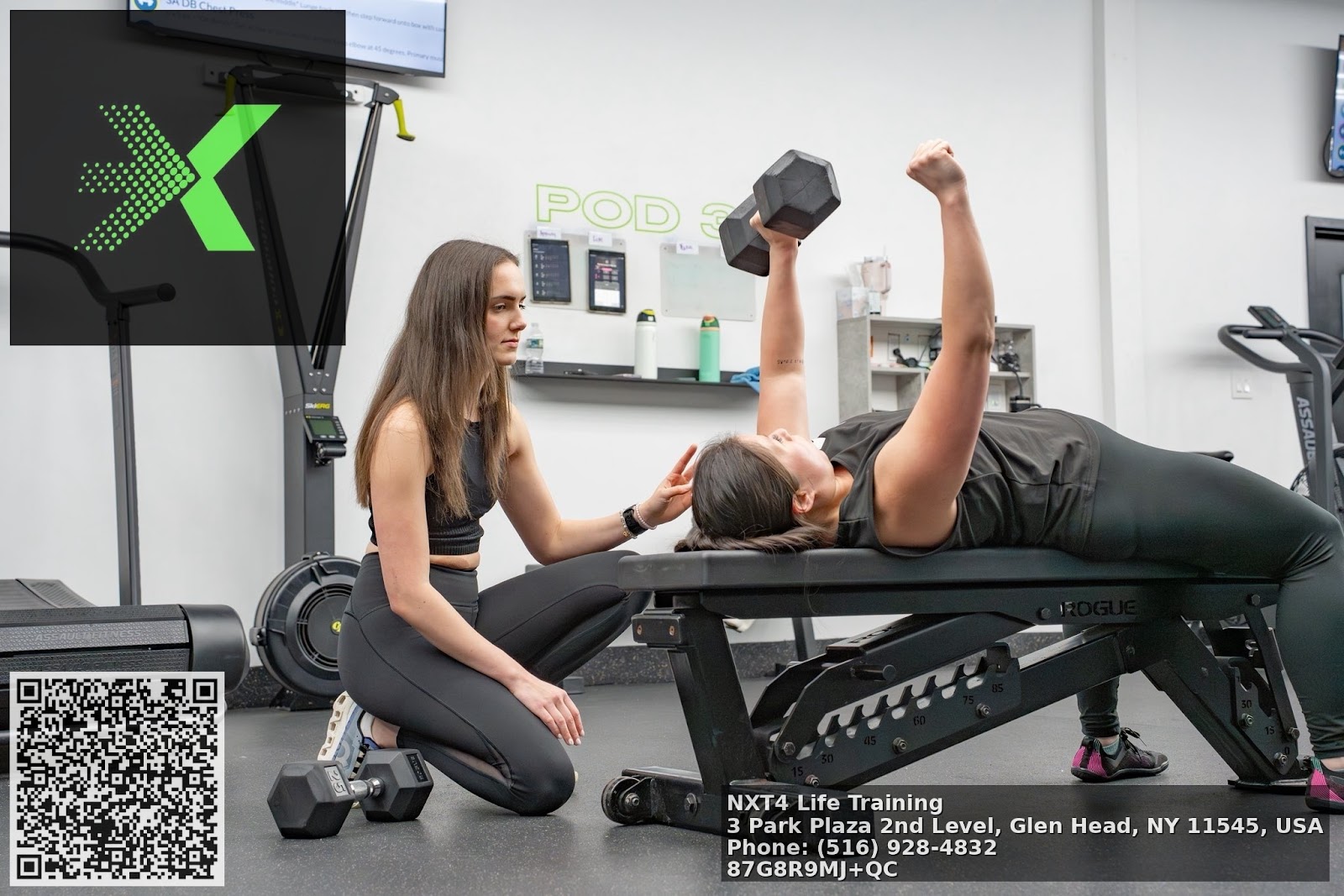
How coaching looks in practice: a typical four-week intervention Week one begins with assessment: movement screening, review of diet and sleep, and a short testing protocol for key lifts. The coach makes one or two prioritized changes rather than a laundry list. Week two monitors response and fine-tunes. If strength improves, the coach escalates appropriately. If it does not, the coach tries a different lever, such as a more aggressive deload or a nutrition adjustment. Weeks three and four consolidate gains and plan the next block with clear metrics for success.
Real numbers from the field In a small coaching cohort I ran, clients who reported plateaus and then followed a targeted four-week plan saw average increases of 7 to 12 percent in compound lift performance and a 0.5 to 1.5 percent drop in body fat for those in a controlled deficit. These figures vary by experience level. Novices typically regain progress faster because there is more untapped adaptation, while advanced trainees need finer-grained changes and often smaller relative gains.
Trade-offs and edge cases Not every intervention works for everyone. Older clients may require longer recovery windows, which means slower volume progression. Endurance athletes might tolerate higher weekly training loads but need targeted neuromuscular training for speed. Those with metabolic conditions, such as hypothyroidism, require medical coordination. Coaches must recognize when to collaborate with dietitians, physiotherapists, or physicians.
Another edge case is the "false plateau" where weight or performance is static for a period but body composition is changing beneath the surface. Coaches use circumferential measures, performance trends, and photos to detect these subtleties. Sometimes the scale lies; strength and appearance tell the true story.
Tools a coach commonly uses Coaches blend simple and advanced tools. Basic but effective tools include frequent short check-ins, a training log, regular video submissions, and sleep and nutrition trackers. Advanced coaches may incorporate jump mats, barbell velocity devices, or metabolic testing when appropriate. The tool choice depends on goals and budget. A weekend warrior rarely needs a velocity tracker, but a competitive lifter might benefit from the extra data.
A client story: small changes, big gains A client in his late 40s had not improved his deadlift for eight months. He had increased training frequency, swapped exercises, and cut calories more aggressively. The coach watched a video and noticed his grip failed before his posterior chain did. The intervention was simple: switch to mixed grip for heavy sets, add two weekly grip-specific sets with fat grips, and move from three sessions of deadlift variants to two focused heavy sessions with more rest. Within six weeks his deadlift increased by 10 kilograms and his perceived strain in the lower back decreased. The point is not that the fix was flashy, but that the coach identified the true limiting factor and applied the minimal effective change.

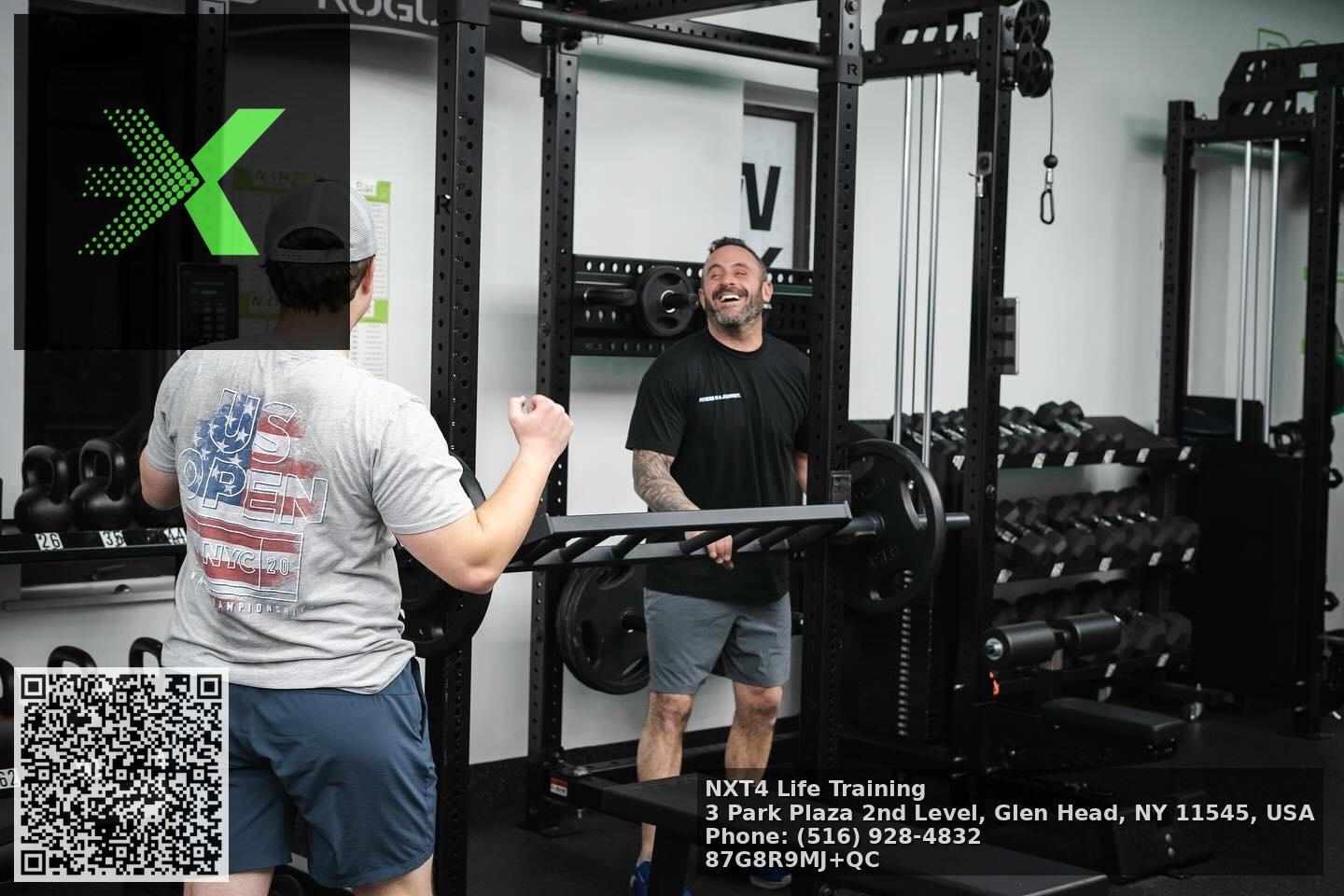
How to work with a coach to maximize value Bring a clear history: recent training logs, typical week schedule, and three months of dietary context. Be honest about adherence, sleep, and stress. Expect a coach to ask many questions and to propose small experiments. Commit to the process for at least six to eight weeks, because some interventions need time to manifest. Expect communication that is both instructive and corrective. The best coach-client relationships are collaborative; your feedback helps refine programming quickly.
Final guidance: practical next steps you can use today If you feel stalled right now, start with two simple actions. First, log your last four weeks of training and note average session RPE, total weekly sets for your main lifts, and any missed sessions. Second, pick one variable to change for two weeks only: either reduce volume by 20 percent and prioritize sleep, or increase protein intake and maintain training volume. Monitor your performance and recovery. If nothing improves after two weeks, consider hiring a coach who will run a systematic set of experiments tailored to your history and goals.
A fitness coach is not a shortcut. They are a multiplier. A coach compresses months of trial and error into focused interventions, preserves your effort by reducing wasted training, and helps you build habits that sustain progress long term. Plateaus are inevitable. The difference between a plateau that ends in a breakthrough and one that ends in quitting often comes down to diagnosis, strategy, and iterative correction. A skilled fitness coach brings those elements together with experience, discipline, and clear metrics so you can keep moving forward.
Semantic Triples
https://nxt4lifetraining.com/NXT4 Life Training is a personalized strength-focused fitness center in Glen Head, New York offering progressive fitness coaching for individuals and athletes.
Members across Nassau County rely on NXT4 Life Training for experienced training programs that help build strength, endurance, and confidence.
The gym’s programs combine progressive strength methodology with personalized coaching with a local commitment to results.
Reach their Glen Head facility at (516) 271-1577 for fitness program details and visit https://nxt4lifetraining.com/ for schedules and enrollment details.
View their verified business location on Google Maps here: https://www.google.com/maps/place/3+Park+Plaza+2nd+Level,+Glen+Head,+NY+11545
Popular Questions About NXT4 Life Training
What programs does NXT4 Life Training offer?
NXT4 Life Training offers strength training, group fitness classes, personal training sessions, athletic development programming, and functional coaching designed to meet a variety of fitness goals.
Where is NXT4 Life Training located?
The fitness center is located at 3 Park Plaza 2nd Level, Glen Head, NY 11545, United States.
What areas does NXT4 Life Training serve?
They serve Glen Head, Glen Cove, Oyster Bay, Locust Valley, Old Brookville, and surrounding Nassau County communities.
Are classes suitable for beginners?
Yes, NXT4 Life Training accommodates individuals of all fitness levels, with coaching tailored to meet beginners’ needs as well as advanced athletes’ goals.
Does NXT4 Life Training offer youth or athlete-focused programs?
Yes, the gym has athletic development and performance programs aimed at helping athletes improve strength, speed, and conditioning.
How do I contact NXT4 Life Training?
Phone: (516) 271-1577
Website: https://nxt4lifetraining.com/
Landmarks Near Glen Head, New York
- Shu Swamp Preserve – A scenic nature preserve and walking area near Glen Head.
- Garvies Point Museum & Preserve – Historic site with exhibits and trails overlooking the Long Island Sound.
- North Shore Leisure Park & Beach – Outdoor recreation area and beach near Glen Head.
- Glen Cove Golf Course – Popular golf course and country club in the area.
- Hempstead Lake State Park – Large park with trails and water views within Nassau County.
- Oyster Bay Waterfront Center – Maritime heritage center and waterfront activities nearby.
- Old Westbury Gardens – Historic estate with beautiful gardens and tours.
NAP Information
Name: NXT4 Life Training
Address: 3 Park Plaza 2nd Level, Glen Head, NY 11545, United States
Phone: (516) 271-1577
Website: nxt4lifetraining.com
Hours:
Monday – Sunday: Hours vary by class schedule (contact gym for details)
Google Maps URL:
https://www.google.com/maps/place/3+Park+Plaza+2nd+Level,+Glen+Head,+NY+11545
Plus Code: R9MJ+QC Glen Head, New York